Moon in the Hoop: A Craft Fair Embroidery Review
First Impressions of Moon in the Hoop
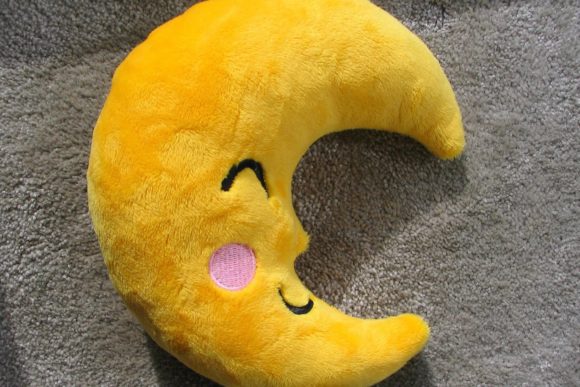
When I first opened the Moon in the Hoop machine embroidery design, I immediately appreciated its clean silhouette and gentle charm. This is not a hyper-detailed, fussy digitized piece. It reads as soft, minimal, and slightly whimsical — exactly the kind of design that catches a customer's eye across a crowded craft fair table. The moon shape is universally recognizable, and the simplicity works in its favor. Shoppers walking past a booth filled with embroidered goods often stop on designs that feel calming and familiar. Moon in the Hoop delivers that quiet appeal without shouting for attention.
As an embroidery designer who has tested hundreds of machine embroidery design files for handmade market products, I can tell you that this design fits neatly into the nursery and children's room decor category. But I would argue its reach is broader. The moon motif resonates with anyone who loves celestial imagery, minimalist decor, or soft gender-neutral themes. That makes it a versatile asset for any Etsy seller or small shop product lineup.
Where Moon in the Hoop Shines at a Craft Fair Booth
I recommend displaying Moon in the Hoop on at least three different product types in your booth. The design adapts well to multiple surfaces, and seeing it in context helps customers imagine it in their own homes. Here is where I see the strongest potential:
- Tote bag design — A medium-sized moon centered on a natural canvas tote bag looks modern and approachable. It does not overwhelm the bag, and it leaves room for a name or monogram if you offer personalization. This is a strong seller for weekend markets and craft fairs.
- Tea towel embroidery — On a linen or cotton tea towel, the moon becomes a subtle kitchen accent. While nursery is the stated category, thoughtful sellers can reposition this design as a kitchen or gift item without stretching the theme.
- Embroidered patch — Stitching Moon in the Hoop as a patch allows you to sell it as a standalone item or an add-on. Patches are low-cost, high-margin products that customers love to buy impulsively. They also photograph beautifully for printable mockup listings on Etsy.
- Pillow cover — A small throw pillow with the moon centered on the front panel creates a cozy nursery accent. If you use soft pastel or neutral thread colors, it fits seamlessly into modern children's room decor.
- Fabric pouch — Small zippered pouches with the moon design are perfect for gift bundles or add-on sales. They are quick to produce and easy to stack in a display basket.
I would also test this embroidery file on a cap or beanie. The moon shape is simple enough to read clearly on a curved surface, though you will need to pay attention to hoop size and placement. A small moon centered on a baby beanie or toddler cap could be a charming addition to a children's product line.
Practical Production Notes for Batch Embroidery
When I prepare a machine embroidery design for a craft fair, I always run test stitches on at least three fabric types. With Moon in the Hoop, the stitch density appears reasonable based on the description. The design is described as "fun and easy to stitch," which suggests it does not have excessive layering or dense fill areas that would cause fabric puckering. However, I always recommend verifying this yourself before committing to batch production.
Here are the specific production points I would check:
- Stitch density — Run a test on scrap fabric to confirm the design does not pull or distort. If the moon has a solid fill, ensure the density is not so high that it stiffens the fabric. This is especially important for apron embroidery and tea towel embroidery, where fabric drape matters.
- Thread colors — The design description does not list exact thread colors, but a moon design typically works best in soft whites, creams, pale yellows, or silver grays. I would test at least two color ways: one light-on-dark for contrast, and one tone-on-tone for a subtle, premium look.
- Hoop size — Confirm the recommended hoop size for Moon in the Hoop before loading fabric. If the design is larger than your hoop, you may need to resize or reposition. If it is small, consider scaling it up carefully without distorting stitch quality.
- Stabilizer choice — For tote bags and tea towels, use a tear-away stabilizer for easy cleanup. For caps or thick fabrics, switch to a cut-away stabilizer to maintain structure. Always test the stabilizer with your specific fabric and embroidery file combination.
- Fabric texture — Smooth fabrics like cotton poplin or linen blends will show the moon design clearly. Heavily textured fabrics like thick towels or fleece may obscure fine details. If the moon has small inner lines or highlights, those could get lost on textured surfaces.
Visual Appeal and Customer Attention at the Booth
In a crowded craft fair, Moon in the Hoop stands out because of its shape. A circle or crescent moon immediately reads as a complete image, even from a distance. Customers do not need to lean in and squint to understand what they are seeing. That instant recognition is valuable when you have only a few seconds to capture a browser's attention.
I would display this design on a light-colored fabric with a contrasting hoop. The contrast draws the eye and frames the embroidery naturally. If you sell handmade product variations — tote bags, pillows, pouches — group them together so the moon motif becomes a recognizable signature. Repeat patterns build brand consistency and make your booth feel curated rather than random.
For online listings, this design photographs well because of its simple geometry. A clean, well-lit shot of the moon on a neutral background works for printable mockup templates and design assets for digital sellers. If you are an Etsy seller, consider offering both a physical finished product and a digital version of the embroidery file as a separate listing. That dual approach maximizes your reach.
Careful-Use Notes Every Embroidery Designer Should Consider
No design is perfect for every surface. Here are the specific areas where Moon in the Hoop might require extra attention:
- Dense stitch areas — If the moon uses a dense satin stitch or heavy fill, test it on lightweight fabric. Dense areas can cause puckering on thin materials like quilting cotton or lawn fabric. Use a stabilizer with enough body to support the stitching.
- Tiny details — If the design includes small stars, dots, or a crescent edge, those details may become unclear at smaller sizes. Do not scale the design down below the recommended minimum size without testing first.
- Small lettering — The description does not mention text, but if you plan to add a name or word alongside the moon, keep the lettering height above 6 mm. Anything smaller risks thread breakage or illegibility, especially on textured fabrics.
- Thick fabric — On towels, fleece, or denim, the moon may need a larger hoop size and a heavier stabilizer. The design may also need adjustment to compensate for fabric nap. Test on a scrap piece of your actual product fabric before committing to a batch.
- Curved cap surfaces — If you stitch this design on a cap, use a cap frame and a cut-away stabilizer. The moon shape should be positioned carefully to avoid distortion from the cap's curve. Keep the design size moderate to maintain clarity.
- Dark fabric — On dark fabric, use a light thread color for contrast. If the moon is stitched in a dark thread on dark fabric, it will disappear. Always stitch a test on the actual fabric color you plan to sell.
Designer Notes for Production Success
Before you start stitching Moon in the Hoop for your next craft fair, here is my practical checklist:
- Test the design on scrap fabric — Use the exact fabric you plan to sell. Check stitch quality, thread tension, and fabric stability. Do not skip this step even if the design looks simple.
- Check thread contrast — Hold your thread choice against the fabric in natural light. If the moon does not pop, choose a different color. Contrast is what sells embroidery at a market.
- Review spacing and placement — Center the moon on your product or offset it for a modern look. Measure twice before hooping. Uneven placement is the fastest way to reduce perceived value.
- Confirm hoop size — Make sure the design fits comfortably within your hoop with at least half an inch of margin on all sides. Crowded hoops cause registration issues.
- Inspect stitch density — If the design feels stiff or heavy after stitching, reduce the density in your software or use a lighter stabilizer. A flexible design sells better on soft goods like tote bags and tea towels.
- Create at least one real mockup — Photograph the finished product on a simple background. Use this image for your printable mockup, Etsy listing, and social media. Customers buy what they can clearly see.
- Compare fabric colors — Offer the moon on at least two fabric colors to see which one sells faster. Natural, light gray, and soft blush are safe starting points. Dark navy or black can work if the thread contrasts well.
- Confirm commercial licensing — Before selling finished products with Moon in the Hoop, verify that the digital embroidery file includes a commercial use license. Not all files do, and violating license terms can cause problems for your small shop product line. If the license is unclear, contact the designer directly.
Final Thoughts on Moon in the Hoop for Handmade Markets
Moon in the Hoop is a solid, versatile machine embroidery design that fits naturally into a craft fair product lineup. Its strength lies in its simplicity and broad appeal. It is not a novelty design that will date quickly, nor is it so generic that it blends into every other booth. The moon motif carries a gentle emotional resonance — calm, dreamy, and safe — which makes it especially suitable for nursery and children's room decor, but also for anyone who appreciates celestial themes.
From a production standpoint, the design is described as easy to stitch, which is a green flag for batch production. If you are preparing for a weekend craft fair, you can stitch multiple units of Moon in the Hoop on tote bags, tea towels, or pouches without excessive re-hooping or thread changes. That efficiency matters when you have a limited time window before the event.
For Etsy sellers and commercial embroidery businesses, this design offers a clean, marketable look that photographs well and translates across product categories. Whether you sell it as a finished handmade product or as a digital embroidery file with design assets, Moon in the Hoop gives you a strong foundation for building a cohesive product line.
My final advice: test it, display it prominently, and watch how customers respond. A good design sells itself, but a great design makes customers imagine it in their own lives. This moon has that potential.