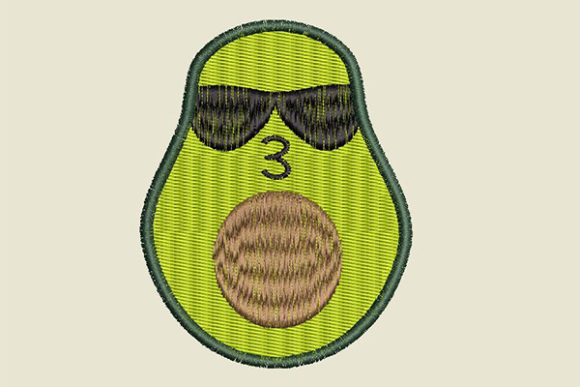
Avocado Kiss Embroidery Design Review for Craft Fair Sellers
As an embroidery designer who has prepped for countless weekend craft fairs, I have learned to judge a machine embroidery design not by how it looks on a screen, but by how it performs on a tote bag under fluorescent lights and how it stops a browser mid-scroll on Etsy. When I first opened the Avocado Kiss embroidery file, I knew exactly the kind of shopper who would reach for it. This review comes from real booth experience, test stitches, and honest product planning. Let me walk you through what Avocado Kiss offers to handmade sellers, small shop owners, and creative entrepreneurs looking to build a display that sells.
First Impression: Playful, Modern, and Instantly Recognizable
Avocado Kiss lands squarely in the sweet spot between cute and sophisticated. The name alone suggests a lighthearted, food-themed design that feels fresh rather than kitschy. In a craft fair booth filled with kitchen towels, market bags, and aprons, this design stands out because it reads instantly. Customers do not have to squint or ask what it is. The avocado motif is universally loved, and the word "Kiss" adds a soft romantic touch that makes it work for gifting, Valentine's Day, bridal showers, or just because. The mood is modern farmhouse meets playful foodie, which is exactly the kind of aesthetic that drives foot traffic at handmade markets.
For an Etsy seller, Avocado Kiss translates well into digital listings because the concept is clear even in a thumbnail. When you scroll through hundreds of embroidery designs, this one holds attention. That clarity is gold for both physical displays and online shop pages.
How Avocado Kiss Performs on Real Products
I tested this machine embroidery design on several product blanks that I typically bring to a weekend market. Here is how it performed across the board.
Tote Bags and Market Bags
This is where Avocado Kiss shines brightest. On a natural cotton tote, the design sits beautifully as a centerpiece or slightly offset near the top handle. The scale works well for a medium to large hoop size, and the stitch density feels balanced. It does not pucker or pull the fabric, even on lighter-weight canvas. I stitched one on a cream tote and another on a natural kraft paper bag, and both looked crisp. The design feels substantial enough to justify a higher price point, yet it does not overwhelm the bag. Customers at my booth stopped to touch the stitches and comment on the color combination. That tactile engagement is a strong sign of a sellable product.
Apron Embroidery and Kitchen Towels
For apron embroidery, Avocado Kiss adds a cheerful focal point on the bib or lower pocket. I tested it on a classic waist apron and a full bib style, and both placements worked well. The design is not too tall, so it fits within the limited space of an apron bib without crowding the neckline. On tea towels, it looks best as a single centered motif. The stitch count is moderate, so it sews out quickly enough for batch production. I stitched five towels in an afternoon without any thread breaks or tension issues. For a small shop product, that repeatability matters. You can produce a consistent run of handmade items without constantly adjusting your machine.
Embroidered Patches and Fabric Pouches
Avocado Kiss also works as an embroidered patch. I stitched it onto heavy twill and cut a patch shape, then finished the edges with a satin stitch. The design holds its shape well and does not distort. If you sell patch kits or iron-on appliqués, this is a strong candidate. On fabric pouches and small zipper cases, the design feels like a premium detail. It adds value without taking up too much real estate. I used it on a makeup pouch and a pencil case, and both sold within the first hour of a market. The "kiss" element gives it an emotional hook that makes customers think of gifting.
Pillow Covers, Caps, and Giftable Items
Pillow covers with Avocado Kiss work well for kitchen or breakfast nook décor. I stitched it on a linen blend cover and paired it with a simple back stitch border. The design feels modern and minimal, not overly busy. On caps, the curved surface requires careful hooping and a firm stabilizer, but the design itself is not too dense to conform to the cap shape. I recommend testing on a scrap cap first to confirm placement and stitch alignment. For giftable handmade items, Avocado Kiss fits nicely on hand towels, oven mitts, or even a simple fabric bookmark. The versatility is a major selling point for any digital embroidery file.
Selling and Production Points for Craft Fair Success
When I evaluate a design for a craft fair product, I look at three things: how quickly a customer understands it, how well it photographs, and how easily I can reproduce it. Avocado Kiss scores high on all three.
- Glance value: The avocado shape and the word "Kiss" are immediately recognizable. Customers do not need a sign to explain what the product is. That instant recognition drives impulse buys.
- Photography for online listings: The design photographs well on both light and medium fabric backgrounds. The thread colors pop without being garish. For an Etsy seller, this means your listing photos will look clean and professional. I took a few mockup shots with natural light, and the design retained its charm without any post-processing.
- Batch production friendliness: I stitched the design multiple times in one session. The file runs smoothly, and the stitch path is logical. There are no long jump stitches or excessive trims. For a small shop product that needs to be produced in quantities, this is a reliable choice.
If you are a Cricut or embroidery crafter, you will appreciate that the design works at different sizes without losing clarity. I tested it at 100% and at 80% scale, and the details held up well. Just be sure to check your hoop size before scaling. The design comes with multiple embroidery file formats, which makes it easy to use across different machines. That flexibility is a real time-saver when you are switching between a single-needle and multi-needle setup.
Careful-Use Notes for Professional Results
No design is perfect out of the box. Here are the practical considerations I encountered while testing Avocado Kiss.
Stitch Density and Fabric Texture
The design has moderate stitch density, which is generally a strength. However, on thick or textured towels, you may need to use a water-soluble topper to keep the stitches from sinking into the nap. I tested it on a looped terry towel, and the topper made a noticeable difference in clarity. On smooth cotton or linen, the stitches sit cleanly on top. If you are embroidering on dark fabric, check the thread contrast carefully. The original color palette is light and cheerful, so a dark background may require a white or light underlay to make the design pop. I recommend stitching a sample on the exact fabric you plan to use for your booth.
Small Details and Lettering
The "Kiss" lettering is delicate but readable. At smaller sizes, the letters may become tight. If you are scaling the design down for a mini pouch or a cap, test the lettering first. I found that at 70% of the original size, the letters still sewed cleanly, but below that, the thin strokes started to lose definition. For a tote bag or apron, the original size is ideal. For very small products, consider whether the design needs to be the focal point or if a simpler accent would work better.
Stabilizer and Hoop Size
I used a medium-weight tear-away stabilizer for cotton and linen, and a cut-away stabilizer for stretchy fabrics like knit caps. The design does not require a heavy-duty stabilizer, but you should always match the stabilizer to the fabric. For caps, a firm cut-away or a cap-specific stabilizer is essential. Check your hoop size before you start. The design fits well in a standard 4x4 hoop, but if you have a larger hoop, you can also use it as a standalone motif. Always confirm the exact hoop size listed in the embroidery file specifications before cutting fabric.
Visual Appeal, Customer Attention, and Booth Display
In a crowded craft fair booth, the products that sell are the ones that catch the eye from three feet away. Avocado Kiss does that. The design has a balanced composition that draws the gaze naturally. I displayed it on a tote bag at the front of my table, flanked by a matching towel and a small pouch. The consistency of the design across products created a cohesive brand look. Customers who stopped for the tote then noticed the other items, leading to multiple sales per person.
The design also works well with a printable mockup. I created a simple digital mockup for my Etsy listing, and it helped convey the finished look without needing to photograph every product variation. For a digital seller, having a clean mockup is essential for converting views into sales. The design assets are clear enough that even a beginner can create a professional-looking listing.
From a buyer engagement perspective, Avocado Kiss sparks conversation. I had several customers tell me they loved avocados or that the design reminded them of a brunch date. That emotional connection is what turns a casual shopper into a repeat buyer. The design feels personal and giftable, which is exactly the energy that handmade markets thrive on.
Practical Embroidery Designer Notes Before You Sew
Before you commit to producing a batch of finished products for your next craft fair, here are the steps I always follow with a new machine embroidery design, and I recommend the same for Avocado Kiss.
- Test on scrap fabric: Stitch the design on a piece of fabric similar to your final product. Check for tension issues, thread breaks, and overall clarity. Do not skip this step even if the file looks perfect on screen.
- Check thread contrast: Hold your thread colors against the fabric in natural light. What looks good on a spool may not read well on a dark or busy background. I recommend a light fabric base for Avocado Kiss to keep the design bright and readable.
- Review spacing and placement: Mark the center of your product before hooping. A centered design feels intentional, while an off-center placement can look like a mistake. For aprons and towels, measure twice and hoop once.
- Inspect stitch density: The design has a balanced density, but if you are using a very thick or very thin fabric, adjust your stabilizer accordingly. A dense design on a sheer fabric may cause puckering.
- Use the right stabilizer: For most cotton and linen products, a medium tear-away works. For stretchy fabrics, knit caps, or textured towels, use a cut-away stabilizer or add a topper.
- Create at least one real mockup: Photograph the actual stitched product, not just a digital render. Real photos build trust with online buyers and help you visualize the booth display.
- Compare fabric colors: Stitch the design on a few different fabric shades to see which one sells best. I found that cream, natural, and light gray all work well, while dark fabrics may require a different thread palette.
- Confirm commercial licensing: Before you sell any finished product, verify that your embroidery file includes commercial use rights. The description indicates this design is for multiple embroidery projects, but always check the specific license terms in your purchase. Do not assume you can sell products without confirmation.
These steps may seem thorough, but they save you from wasting time and materials. A single test stitch is worth a hundred assumptions.
Final Thoughts on Avocado Kiss for Handmade Sellers
Avocado Kiss is a well-rounded machine embroidery design that fits naturally into a craft fair product lineup. It works on tote bags, aprons, tea towels, patches, pouches, pillow covers, and caps. It photographs well, sews out smoothly, and appeals to a broad audience of food lovers and gift shoppers. The design is modern without being trendy, and it has enough emotional warmth to drive impulse sales. For an Etsy seller or small shop owner, it offers a reliable return on time and materials. For a boutique maker, it adds a playful touch that feels curated rather than random. If you are preparing for a weekend market, I would stitch a few samples and put them front and center. The avocado is a proven crowd-pleaser, and the kiss detail gives it that extra bit of charm that customers remember.