Halloween Skeleton Dancing: A Craft Fair Review
When I first opened the Halloween Skeleton Dancing machine embroidery design, I immediately saw its potential for my upcoming craft fair season. The name alone promised a fun, festive mood, and the description confirmed it: a playful design perfect for Halloween night, offered in multiple embroidery file formats. As someone who regularly fills a booth with embroidered tote bags, aprons, tea towels, and caps, I needed to know if this design would be more than just cute—it had to sell. Here is my honest review from an embroidery designer’s perspective, covering everything from first impressions to practical production notes.
First Impressions and Booth Appeal
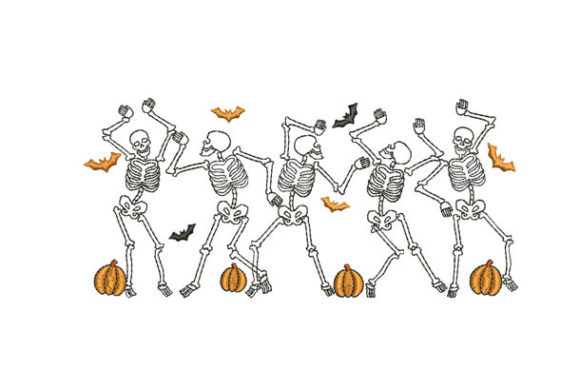
Halloween Skeleton Dancing strikes a balance between whimsical and bold. The skeleton subject is instantly recognizable, but the dancing pose adds a layer of lighthearted energy that stands out among typical Halloween motifs. In a craft fair setting, this design does not get lost in a sea of pumpkins and ghosts. It feels festive, modern, and playful—exactly the kind of handmade product that invites a smile and a second look. I could already picture it on a market bag or a pillow cover, drawing customers who want something unique for their Halloween decor or gifts.
For small shop owners and Etsy sellers, this design offers a strong visual hook. The dancing skeleton works well as a focal element on a tote bag or as a smaller accent on a cap. It does not rely on heavy text or complicated details, which makes it easy to understand at a glance. That immediate clarity is a huge advantage when you are trying to grab attention across a crowded booth.
Best Product Applications for Halloween Skeleton Dancing
Based on my experience, here is how this machine embroidery design performs on different craft fair products:
- Tote Bag Design: The skeleton’s dynamic pose fills a tote bag nicely. I would recommend hooping at a size that allows the full figure to show, with room to breathe around the edges. The bold lines ensure it remains visible even when the bag is carried or folded.
- Apron Embroidery: On an apron, Halloween Skeleton Dancing becomes a conversation starter. It sits well on the chest or lower pocket area. The design’s vertical orientation suits apron fronts perfectly.
- Tea Towel Embroidery: This is one of my favorite applications. The playful skeleton adds a festive touch to kitchen towels. Because towels are often given as gifts, having a design that feels both fun and well-stitched increases perceived value.
- Embroidered Patch: I plan to stitch a few patches as standalone items. The skeleton’s outline is distinct enough that it will look great on a patch, especially if you choose contrast thread colors. Patches are easy to sell as add-ons or to sew onto jackets and bags.
- Caps and Small Pouches: For curved surfaces like caps, this design works best if you reduce the size slightly. The key is to maintain the dancing pose’s clarity. On small pouches, it becomes a charming accent that customers love for Halloween treats or makeup.
- Pillow Covers and Market Bags: Larger products allow the design to shine as a centerpiece. A pillow cover with Halloween Skeleton Dancing can become a seasonal decor item that sells quickly. Market bags with this embroidery also attract eco-conscious shoppers looking for festive options.
In my booth, I plan to display a mix of these products to show the design’s versatility. The more applications a single machine embroidery design can support, the better my return on investment.
Practical Production and Selling Points
From a production standpoint, Halloween Skeleton Dancing is relatively straightforward. The design reads well at a glance, so customers do not need to spend time deciphering it. That quick recognition is crucial for booth sales. Additionally, the design’s moderate size options make it suitable for both statement pieces and smaller accents. I recommend testing the design at different scales during your sample run to see what works best for your product line.
For online selling, the design photographs beautifully. Its clear silhouette and festive theme translate well into digital images. I will create printable mockups using the embroidery file so that Etsy listings show the design on actual products. Good photography of the finished product helps buyers visualize the item in their own home, which directly boosts conversion.
Because this design is not overly dense, it seems repeatable for batch production. I can stitch multiple tote bags or towels in a single session without worrying about excessive thread changes or stabilizer buildup. That efficiency is a major plus for craft fair sellers who need to produce inventory in volume.
Technical Must-Knows for a Flawless Finish
Before you start stitching Halloween Skeleton Dancing for your booth, pay attention to these technical details:
- Stitch Density: The design appears to have moderate stitch density. However, I always recommend testing on scrap fabric first. If the skeleton’s limbs or fingers have small details, check that they do not become a tangled mess. Adjust tension if needed.
- Thread Colors: The description does not specify exact colors, so choose your palette carefully. A white or neon skeleton on a dark background pops beautifully. For lighter fabrics, consider black or a bright orange outline. Contrast is key to making the dancing pose stand out.
- Fabric Texture: On textured towels or thick canvas tote bags, the design may lose some fine detail. Use a sharp needle and a stable hooping method. For towels, I recommend a water-soluble stabilizer on top to prevent stitches from sinking into the nap.
- Hoop Size: Confirm the hoop size required for the version you plan to use. If you are working with a small hoop, test that the design does not distort. Some skeletons may have thin arms that can shift if the hoop is too tight.
- Stabilizer Choice: For stretchy fabrics like performance caps, use a cut-away stabilizer. For woven items like tea towels, tear-away works well. Always test to ensure the design remains crisp after washing.
- Dark Fabric: If you stitch on black or dark navy, use a lighter thread color or a white underlay to prevent the skeleton from disappearing. The dancing pose’s silhouette needs to be clearly visible.
I always create at least one real mockup of each product before committing to a batch. That way, I can compare fabric colors, check the design’s scale, and confirm that the final result matches the quality I want for my craft fair customers.
Turning Halloween Skeleton Dancing into a Bestseller
Visual appeal is the first step, but engagement turns a viewer into a buyer. This design’s playful nature encourages customers to smile and comment. I will use that to start conversations: “Yes, that skeleton is dancing its way into Halloween!” Placing the embroidered items at eye level on the booth table, with good lighting, will highlight the stitching and the design’s festive mood.
For handmade product sellers, consistency matters. If you use Halloween Skeleton Dancing across multiple products, your booth looks cohesive. Pillow covers, tea towels, and tote bags all featuring the same skeleton create a recognizable brand. Customers who love one item may come back for another. This design also works well for giftable items, so consider bundling a towel with a matching pouch.
From a buyer’s perspective, the design feels premium because it is well-balanced and not overly cartoonish. The dancing skeleton has a certain elegance in its simplicity, making it suitable for both farmhouse-style decor and modern Halloween parties. This versatility broadens your customer base.
Final Preparations Before the Fair
Before I start production, I always run through a checklist. For Halloween Skeleton Dancing, I will:
- Test the machine embroidery design on scrap fabric to verify stitch density and thread tension.
- Check thread contrast against my intended fabric colors. A white skeleton on a charcoal tote bag, for example, offers excellent visibility.
- Review spacing around the design to ensure it does not crowd edges or get cut off by seams.
- Confirm the hoop size matches my machine’s capabilities and the product dimensions.
- Inspect stitch density—especially at the joints of the skeleton—to avoid puckering.
- Use the appropriate stabilizer for each fabric type, and test a sample after washing if the item is intended for kitchen use.
- Create at least one real mockup for each product type to photograph for Etsy listings and to display at the booth.
- Compare fabric colors under natural light to ensure the design pops.
- Confirm that the digital embroidery file’s commercial license allows me to sell finished products. This step is crucial for any Etsy seller or small shop product.
Once I have these checks done, I feel confident that Halloween Skeleton Dancing will be a highlight of my craft fair booth. It is a design that combines fun, quality, and practicality—exactly the combination that makes a handmade product sell. Whether you are a seasoned embroiderer or a new shop owner, this machine embroidery design is worth adding to your Halloween collection. I cannot wait to see the dancing skeleton bring smiles and sales this season.