Round Design Redwork Design – A Craft Fair Seller’s Review
As an embroidery designer who has prepped countless booths for weekend craft fairs and handmade markets, I have learned to judge a machine embroidery design not just by how it looks on screen, but by how it performs on real products, how it catches a customer’s eye, and whether it can be produced efficiently in small batches. When I first looked at the Round Design Redwork Design, I immediately saw a design that could become a staple for sellers who want a clean, classic, and versatile offering. Let me walk through what I see, what I would test, and how I would use this embroidery file to build a booth that sells.
First Impressions: A Minimal, Farmhouse-Elegant Mood
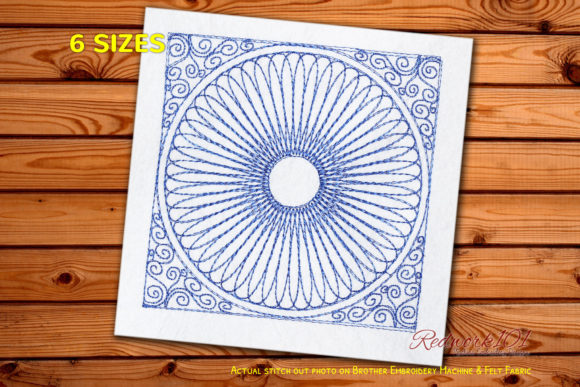
The name Round Design Redwork Design tells me this is a circular motif stitched in the redwork tradition – typically a single rich red thread on a light or natural background. The description mentions that The Box Stitch shown in the picture is optional and that the outer box color can be skipped entirely. That flexibility is a huge advantage for a craft fair product. It means the design can be used as a standalone round mandala or as a framed piece, depending on the look you want.
The overall mood of this design lands somewhere between farmhouse charm and gentle elegance. It is not loud or trendy. It feels timeless, the kind of handmade product that appeals to customers shopping for gifts, home decor, or personal accessories. The redwork style gives it a vintage, hand-stitched feel that works beautifully on linen, cotton, and natural blends. I would describe it as minimal, soft, and decorative with a premium touch that makes it suitable for both casual and more refined booths.
How It Performs Across Your Craft Fair Product Line
One of the strongest selling points of the Round Design Redwork Design is its adaptability. I have mentally placed it on a dozen different products from my typical booth display, and it holds up well on almost every surface.
Tote Bags and Market Bags
A round redwork motif on a natural canvas tote bag is almost guaranteed to stop a shopper. The circular shape draws the eye, and the single-color stitching keeps the production cost low while looking intentional and artistic. I would use this as a tote bag design centered on the front panel, possibly with a small accent line above or below it. The stitch density appears moderate from the description, which means it should stitch out cleanly without distorting the bag fabric.
Apron Embroidery
For aprons, the Round Design Redwork Design works well as a single focal point on the bib or as a smaller repeat pattern on the waistband. The redwork style complements both classic chef aprons and rustic farmhouse apron styles. I would test it on a medium-weight cotton apron to ensure the fabric does not pucker under the stitching.
Tea Towel Embroidery
Tea towels are a staple of the handmade market, and this design is a natural fit. The round motif on a folded tea towel creates a gift-ready look. I recommend using a tea towel embroidery placement that centers the design about one-third of the way down from the top edge. The red thread on white or cream linen is a classic combination that sells itself.
Embroidered Patch and Small Goods
Because the design is round and contained, it can be digitized as an embroidered patch with a satin stitch border. Patches are a high-margin craft fair product that customers love to collect. I would also consider small pouches, coin purses, and fabric gift bags. The round shape is forgiving on small hoops, and the single-color stitching means you can batch out dozens of patches in a single session.
Pillow Covers and Home Decor
For a booth that includes home decor, the Round Design Redwork Design can be stitched on a pillow cover front. The mandala-like quality of the round design gives it a symmetrical, calming look that appeals to buyers looking for handmade accents. I would pair it with a neutral linen or a soft ivory cotton.
Caps and Curved Surfaces
Redwork on a cap is a subtle, understated look that sells well to men and women alike. However, because the design is round, it requires careful hoop alignment on a curved cap surface. I would test the embroidery file on a cap blank to ensure the design does not distort or stretch. The optional box stitch might need to be omitted on caps to keep the design compact and centered.
Practical Selling and Production Points for Your Booth
When I evaluate a digital embroidery file for commercial use, I consider three things: how easy it is to understand at a glance, how it photographs for online listings, and whether it is repeatable for batch production. The Round Design Redwork Design scores well on all three.
At a glance, customers see a clean, recognizable round motif. There is no confusion about what it is. The redwork style is familiar and comforting. For Etsy seller listings, this design photographs beautifully because the single-color thread creates high contrast against a light background. The round shape also looks great in a square listing photo, which is important for printable mockup and thumbnail visibility.
For batch production, the single-color stitching and optional box stitch mean you can decide on the fly how much detail to include. If you are stitching fifty tea towels for a weekend market, skipping the box stitch reduces stitch count and time without losing the core appeal of the design. This kind of flexibility is gold for a small shop product line.
Careful-Use Notes: What to Test Before You Sell
No design is perfect for every surface, and the Round Design Redwork Design has a few considerations I want to highlight before you commit to a production run.
- Dense stitch areas: If the inner mandala has dense fill stitching, test it on your target fabric first. Dense areas can cause puckering on lightweight fabrics like silk or thin cotton. I recommend using a stabilizer rated for medium-density designs, such as a tear-away or cut-away stabilizer depending on the fabric.
- Tiny details: Redwork designs often rely on fine lines. If the design includes very small details, they may lose clarity when stitched on textured towels or thick fabrics. I always suggest stitching a test sample on the exact fabric you plan to sell.
- Dark fabric: Red thread on dark fabric can be low contrast. If you want to offer this design on navy or black, consider using a lighter thread color such as white, cream, or gold to maintain visibility. The design name says redwork, but the thread colors can be adapted to your product line.
- Curved cap surfaces: As mentioned, the round shape needs careful hoop placement on caps. I recommend using a cap hoop and a firm stabilizer to prevent the design from shifting during stitching.
- Smaller sizes: If you plan to offer this design as a small accent on pouches or mini bags, confirm that the hoop size for the smallest version still preserves the clarity of the design. Some mandala-style designs lose their visual impact when scaled down too much.
Visual Appeal, Customer Attention, and Booth Display Strength
The Round Design Redwork Design has a quiet but confident presence. It does not scream for attention, but it draws customers who appreciate quality and craftsmanship. At a booth, I would display it on a few hero products: a large tote bag, a tea towel, and a pillow cover. Grouping these together creates a cohesive look that tells the customer, “This is a design you can use in many ways.”
The round shape is also a natural conversation starter. Customers often ask about the stitching process, and redwork designs look handmade in a way that machine embroidery can still feel personal. The finished product looks like it took effort and care, which increases perceived value. I have seen similar designs priced at a premium because the single-color stitching reads as intentional and artistic rather than simple.
For design assets, I recommend creating a printable mockup that shows the design on a tote bag and a tea towel side by side. This helps customers visualize the product before they buy, especially at an Etsy seller booth where digital listings are also available. The machine embroidery design itself is a digital embroidery file, so you can also sell the file to other makers who want to stitch it themselves.
Practical Embroidery Designer Notes for Production
Before you stitch a hundred units for your next craft fair, take these steps to ensure quality and consistency.
- Test on scrap fabric: Always stitch the Round Design Redwork Design on a scrap piece of your actual product fabric. Check for thread tension issues, fabric puckering, and design registration.
- Check thread contrast: Red on white is the classic redwork look, but test the contrast under both natural and booth lighting. Some red threads read as too dark or too bright depending on the brand.
- Review spacing: The optional box stitch may add a border that either enhances or competes with the main design. Stitch both versions and decide which sells better before you commit to a batch.
- Confirm hoop size: The description does not specify a hoop size, so measure the design dimensions and choose a hoop that leaves at least half an inch of clearance on all sides. A too-small hoop can cause the fabric to shift during stitching.
- Inspect stitch density: If the design has areas with very high density, consider using a lighter-weight thread or a finer needle to avoid breaking threads mid-design.
- Use the right stabilizer: For medium-weight fabrics, a tear-away stabilizer works well. For stretchy or textured fabrics, use a cut-away stabilizer to prevent the design from distorting over time.
- Create at least one real mockup: Photograph a finished product with the design stitched on it. This mockup is essential for Etsy seller listings, booth signage, and social media promotion.
- Compare fabric colors: The design will look different on natural, white, cream, light gray, and pastel fabrics. Sample a few options to see which one your customers prefer.
- Confirm commercial licensing: Before selling any finished product or offering the embroidery file as a digital download, verify the license terms from the original designer. Most digital embroidery file purchases include a commercial use license, but always check the fine print.
Final Verdict for the Craft Fair Seller
The Round Design Redwork Design is a solid addition to any handmade product line. It offers a clean, classic aesthetic that works across multiple product categories, from tote bag design to apron embroidery to tea towel embroidery. The optional box stitch gives you flexibility to control the look and stitch time, and the single-color redwork style keeps production simple and cost-effective.
For commercial embroidery sellers, this design is a reliable workhorse. It photographs well, displays beautifully in a booth, and appeals to customers who want something that looks handmade without being overly trendy. I would recommend testing it on a few key products, dialing in the stabilizer and thread choice, and then adding it to your regular production rotation. The Mandala category gives it a meditative, decorative quality that fits the current market demand for mindful, simple home goods. Whether you are a seasoned Etsy seller or a first-time small shop product maker, the Round Design Redwork Design is worth a closer look for your next craft fair product collection.