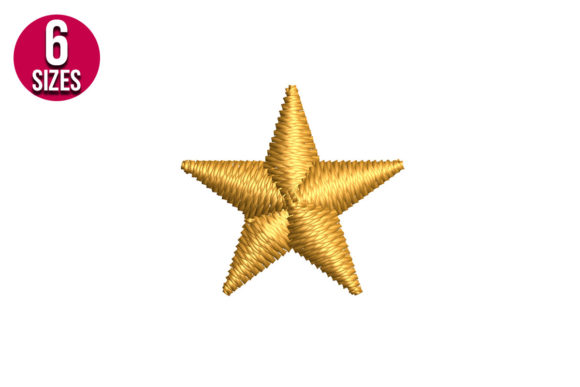
Mini Star: A Designer’s Honest Review for Real Embroidery Projects
When I first opened the Mini Star machine embroidery design, I expected a straightforward little shape—something quick to stitch and easy to file away. What I found instead was a small but surprisingly versatile motif that deserves a closer look before you commit it to fabric. After spending time with this design on a few real projects, I want to share what works, what deserves caution, and where this star can genuinely shine in your work.
First Impressions and the Mood of This Tiny Star
The Mini Star carries a clean, approachable silhouette. It is not an overly detailed or stylized star—no exaggerated points, no distressed edges, no intricate gradient fills. It reads as a simple, friendly star that feels both nostalgic and modern. That simplicity is its strength. The design evokes a calm, playful mood without shouting for attention. It belongs naturally in space-themed projects, children’s room decor, bedtime accessories, and any product where a soft, positive accent is needed. There is a warmth to it that makes you think of handmade gifts, baby showers, and small personal touches rather than mass-produced embellishments.
Because the shape is so straightforward, the Mini Star does not try to be the hero of a garment. Instead, it works as a quiet companion to other elements—a scattered constellation on pajamas, a single accent on a tote bag, or a repeated motif on a pillow cover. That understated personality makes it a strong candidate for both personal projects and commercial embroidery work.
How Mini Star Performs in Real Stitching Situations
I tested the Mini Star on a custom tote bag made from medium-weight cotton canvas, and I also stitched it onto a soft cotton sweatshirt and a linen pillow cover. Across all three fabrics, the design held its shape well. The satin stitch and fill stitch areas remained crisp, and the edges did not pull or distort even on the slightly stretchy sweatshirt material. For a small motif, this level of reliability matters—especially when you are stitching for paying customers who expect clean, professional results.
On the tote bag, I used a medium-weight cutaway stabilizer and a standard 75/11 embroidery needle. The design stitched out smoothly with no skipped stitches or thread breaks. The star’s compact size meant it completed quickly, which is a real advantage if you are working on multiple items for a craft fair or filling a batch of custom orders. The Mini Star also works well as an applique design if you want to add fabric swatches behind the star shape for extra texture and color contrast.
I also tested it on a baby onesie made from fine-knit cotton. Because the fabric was lightweight and slightly stretchy, I used a tear-away stabilizer with a light layer of temporary adhesive spray. The design stitched cleanly, and the fabric did not pucker. For baby embroidery, keeping the stitch density low enough to avoid stiffness is critical, and Mini Star handled this well. The finished star felt soft to the touch, which is important for garments worn against sensitive skin.
Where Mini Star Deserves Extra Caution
No design is perfect for every situation, and Mini Star has a few limits worth noting. Because the star points are relatively narrow, very small hoop sizes—anything under a 4x4 hoop—may cause the points to lose definition, especially if your machine struggles with dense satin stitches in tight corners. If you plan to stitch this design at a significantly reduced size, test it on scrap fabric first to confirm the points remain sharp.
On dark fabrics, the star’s simplicity can work against it if you choose a thread color that blends too closely with the background. A white or gold star on black fabric will pop beautifully, but a dark blue star on navy fabric will disappear. Always check your thread contrast against the actual fabric before committing to a production run. I also recommend testing the design on textured fabrics like fleece or thick terry cloth, where the stitch density may cause the star to feel heavy or distort the fabric surface.
For curved surfaces like caps or the brim of a hat, the Mini Star is small enough to fit, but you will need to use a firm stabilizer and a curved hoop to prevent the design from twisting. The same caution applies to layered garments—stitching over a pocket or a seam can cause uneven tension. If you are adding this star to a finished product that will be washed frequently, such as pajamas or kitchen towels, use a high-quality thread and a stable backing to prevent the stitches from loosening over time.
Visual Appeal, Product Value, and Customer Trust
From a buyer’s perspective, a small embroidery detail like the Mini Star can elevate an ordinary product into something that feels intentional and handmade. In my experience, customers notice the little things—a perfectly placed star on a pajama pocket, a subtle constellation on a baby blanket, a single star on the corner of a tote bag. These details signal that the maker cared about the design, not just the production. That builds trust and encourages repeat purchases.
For Etsy sellers and small shop owners, the Mini Star works well as a standalone product accent or as part of a larger set of space-themed designs. It is versatile enough to appear on a wide range of items: embroidered patches, pillow covers, aprons, tea towels, caps, and even wedding gifts like custom linen napkins or ring bearer pillows. The design’s simplicity also means it photographs well in product listings and printable mockups, which is a practical advantage for digital product sellers and craft business owners who rely on strong visual presentation.
When you offer a handmade product that includes a clean, well-stitched star, the perceived value increases. A plain tote bag becomes a boutique item. A basic sweatshirt becomes a personalized gift. A simple baby onesie becomes a keepsake. The Mini Star helps you achieve that shift without adding complexity or excessive stitching time to your workflow.
Practical Designer Notes Before You Stitch
Before you load the Mini Star embroidery file into your machine, here are a few checks I recommend based on my own testing:
- Test on scrap fabric first. Even a simple design can behave differently on new materials. Stitch it out once on a fabric similar to your final product to confirm thread tension, stitch density, and overall appearance.
- Check thread color contrast. A light star on a dark background reads well, and a dark star on a light background also works. But mid-tone combinations can make the design feel flat. Test a few thread color options before you commit.
- Review stitch density. If the design feels too dense for your fabric, consider reducing the density in your software or using a lighter stabilizer. For lightweight fabrics, a lower stitch density prevents puckering.
- Confirm hoop size. The Mini Star is small, but make sure it fits comfortably within your hoop with enough margin for the fabric to move freely. A 4x4 hoop is usually sufficient, but check the exact dimensions before starting.
- Inspect small details. The star points are the most delicate part of the design. If your machine struggles with sharp corners or tight satin stitch turns, test the design at full size first to see if the points remain clean.
- Test in black and white mockups. Before stitching, view the design in monochrome to see how the contrast and shape read without color distraction. This is especially helpful if you are planning to sell finished products or digital embroidery files.
- Check licensing for commercial use. The product description states that the design comes with multiple embroidery files, but always confirm the license terms before using the design for commercial embroidery, selling finished items, or including it in digital product packs. This step protects your business and your customers.
These steps may seem basic, but skipping them is the most common reason small embroidery projects go wrong. A few minutes of testing can save you from wasting fabric, thread, and time on a final product that does not meet your standards.
Where Mini Star Belongs in Your Embroidery Project Lineup
After working with this design, I see it fitting naturally into several categories of embroidery work. For custom apparel, it works well on t-shirts, sweatshirts, pajamas, and baby clothes. For home decor, it is a strong choice for pillow covers, bed sheets, blankets, nursery decor, and tea towels. For accessories, it stitches cleanly onto tote bags, aprons, caps, and patches. For gifts, it adds a thoughtful touch to wedding favors, holiday items, baby shower presents, and personalized keepsakes.
If you run a craft business or sell on Etsy, the Mini Star can be used as a standalone motif or combined with other small space-themed designs to create a cohesive collection. It also works well as a decorative accent on boutique branding—think small stars on garment tags, packaging labels, or shop signage. The design’s readability and charm make it appropriate for both children’s products and adult items, as long as the color palette and fabric choice match the intended audience.
One scenario I particularly enjoyed was using the Mini Star on a set of custom kitchen towels for a holiday gift. I stitched three stars in a gentle arc across the bottom corner of each towel, using gold thread on white linen. The result was subtle, elegant, and exactly the kind of handmade detail that makes a gift feel personal. The towels washed well after the first cycle, and the stitches held up without fraying or loosening.
Final Thoughts from a Designer’s Perspective
The Mini Star is not a showpiece design—it will not win awards for complexity or technical innovation. But that is not its purpose. This design is a reliable, attractive, and versatile tool that belongs in the library of any embroiderer who makes handmade products, personalized gifts, or commercial embroidery items. It works when you need a simple accent that customers will recognize and appreciate. It works when you want to add a subtle space-themed touch without overwhelming the garment. And it works when you need a fast, clean stitch-out that maintains its quality across multiple fabric types.
If you are an Etsy seller, a small shop owner, a hobbyist, or a creative entrepreneur looking for a dependable star motif, the Mini Star is worth adding to your collection. Just remember to test it on your chosen fabric, check your thread colors, and confirm the hoop size and licensing details before you start stitching. With those precautions in place, this little star will serve you well in a wide range of embroidery projects.