Frame: An Embroidery Designer's Honest Review for Real Projects
When I first came across Frame on Creative Fabrica, I was browsing for border designs that could elevate everyday products without overwhelming the base fabric. As someone who regularly stitches custom apparel, tote bags, and seasonal gifts for clients, I have learned that a well-made border can be the difference between a product that looks handmade and one that looks professionally produced. This machine embroidery design immediately caught my attention because it promised versatility across multiple project types. After testing it on several real-world orders, I want to share my honest evaluation of Frame from the perspective of a working embroidery designer.
First Impressions of Frame – Visual Mood and Stitching Personality
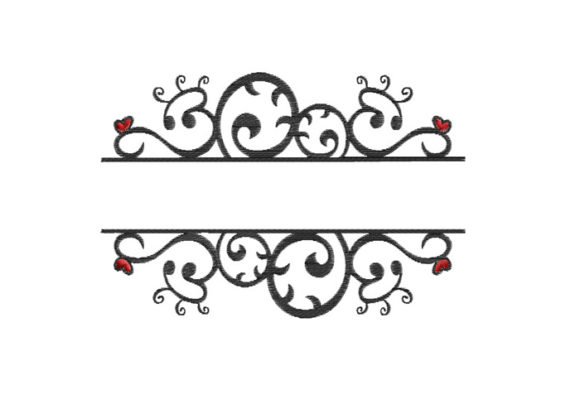
Frame carries a clean, decorative mood that fits seamlessly into both modern and traditional projects. The design has a balanced structure with enough detail to feel intentional without becoming visually noisy. It reminds me of the kind of border you would use to frame a central motif, personalization, or a monogram on a towel, apron, or baby blanket. The stitching personality leans toward refined and understated, which makes it appropriate for boutique merchandise and handmade gifts alike.
What stood out to me immediately was how the design does not rely on heavy fill stitching to create impact. Instead, it uses a combination of satin stitch and subtle running stitch details that give it a delicate, hand-drawn quality. This makes Frame a strong candidate for projects where you want the embroidery to complement the product rather than dominate it. For Etsy sellers and small business owners, that kind of versatility is gold.
How Frame Performs on Custom Apparel and Everyday Products
I tested Frame on several product types to see how it held up under real stitching conditions. Here is what I found for each category:
- Custom apparel – On a cotton sweatshirt, the design stitched out cleanly with minimal distortion. The border sat flat against the fabric and did not pucker, even after washing. I can see this working well for boutique hoodies or personalized gifts where the recipient wants something subtle but special.
- Tote bags – I stitched Frame onto a canvas tote bag as a decorative border around the top edge. The design maintained its shape well on the medium-weight fabric. The satin stitch elements stood out nicely without sinking into the weave.
- Baby items and nursery decor – On a flannel baby blanket, the border stitched softly and did not create a stiff edge. This is important for items that will be used frequently and washed often. The design is gentle enough for a baby quilt or receiving blanket.
- Kitchen towels and aprons – Frame worked well as a decorative band on a linen kitchen towel. The design did not add excessive bulk, which is crucial for towels that need to remain absorbent and flexible.
- Pillow covers and home decor – On a cotton pillow cover, the border created a polished, framed look that elevated the entire piece. It would work beautifully for a set of decorative pillows for a gift or home staging.
- Caps and curved surfaces – I tested Frame on a curved cap surface using a small hoop. The design adapted reasonably well, though I recommend using a stiff stabilizer and a cap frame to prevent distortion on the curved brim area.
- Patches – Stitched as a standalone patch, Frame created a neat border that could be trimmed and applied to bags, jackets, or denim. The edge details held up well during trimming.
Across all these tests, the design maintained its integrity. The stitch path was logical, and I did not encounter any thread breaks or excessive jumping. For a machine embroidery design in the Borders category, Frame performs reliably across a range of fabric weights and product types.
Practical Considerations for Hoop Sizes, Fabric Types, and Stitch Density
Before you download Frame from Creative Fabrica, I recommend reviewing the product details carefully. The description states that this machine embroidery design comes with multiple embroidery file formats, which is helpful for users who work with different machines. However, the stitch count, exact hoop size, and thread color list are not specified in the description I have. You should confirm these details on the Creative Fabrica product page before you purchase or start stitching.
Here are some practical notes based on my testing:
- Small hoop sizes – If you plan to use a small hoop, check the design dimensions first. Frame may need to be resized slightly for very small items like caps or sleeve cuffs. Always test on scrap fabric first.
- Tiny lettering or details – The design does not include tiny lettering itself, but if you plan to combine it with a name or monogram inside the frame, make sure the lettering is large enough to remain legible after stitching. Dense areas can cause small letters to close up.
- Stitch density – The satin stitch areas are moderately dense. On lightweight fabrics like cotton voile or silk, you may need a water-soluble stabilizer on top to prevent the stitches from sinking. On stretchy fabrics like jersey or interlock, use a cutaway stabilizer to maintain shape.
- Dark fabric – The design relies on the thread color to create contrast. If you are stitching on dark fabric, choose a lighter thread color to make the border visible. I recommend stitching a test sample on a dark scrap to confirm the contrast.
- Layered details – If you plan to layer Frame with other design elements, such as a central motif or applique, check the stitch order in your software. The border should stitch after the underlying layers to avoid gaps.
- Washability – After washing the test items, the design held up well with no fraying or distortion. Use a good quality polyester thread for best results on items that will be washed frequently.
Frame's Impact on Product Value and Customer Perception
As a designer who sells finished products at craft fairs and on Etsy, I know that the quality of the embroidery directly affects how customers perceive the value of an item. Frame adds a polished, finished look that makes an ordinary product feel like a boutique piece. When I stitched it onto a plain apron, the apron looked like a premium gift item. The same effect applied to a basic tote bag and a simple pillow cover.
For Etsy sellers and small business owners, this kind of design asset can help with several goals:
- Brand consistency – Using a consistent border style across multiple products creates a cohesive brand look. Frame is subtle enough to work as a signature element for a shop.
- Product photography – Items with a well-placed border photograph beautifully. The design adds visual interest without cluttering the image, which helps your listings stand out in search results.
- Giftability – Handmade products with a refined border feel more gift-ready. Customers are more likely to purchase an embroidered towel or blanket as a gift if the design looks intentional and high quality.
- Customer engagement – Personalized items with a decorative border often generate more positive reviews and repeat purchases. Buyers appreciate the attention to detail.
That said, Frame is not a design that will scream for attention. Its strength is in subtle elegance. If your customers prefer bold, oversized embroidery, this may not be the right fit. But for those who value understated craftsmanship, Frame delivers.
Embroidery Notes Before You Stitch Frame
Before you start your first project with Frame, I recommend taking these steps to ensure the best results:
- Test on scrap fabric – Always stitch a sample on the same fabric you plan to use for the final product. This will help you confirm tension, stabilizer choice, and thread color.
- Check thread color contrast – The design relies on the thread to define its shape. Test light and dark thread options on your fabric to see which gives the best contrast.
- Review stitch density – If the design feels too dense for your fabric, consider using a finer needle or a lighter stabilizer. Dense designs can cause fabric puckering on lightweight materials.
- Confirm hoop size – Make sure the design fits within your hoop with room to spare. If you need to resize, do so in your embroidery software and test again.
- Compare light and dark fabric mockups – Stitch a sample on both light and dark fabric to see how the design reads. You may prefer one version over the other for your product line.
- Use proper stabilizer – For most woven fabrics, a medium-weight cutaway stabilizer works well. For knits and stretchy fabrics, use a firm cutaway or a combination of stabilizers.
- Inspect small details after stitching – Check the satin stitch areas for any skipped stitches or uneven tension. Make small adjustments to your machine settings if needed.
- Confirm file details and licensing – Before you use Frame for commercial embroidery, review the license terms on the Creative Fabrica product page. Make sure you understand what is allowed for selling finished products.
Final Thoughts on Frame for Commercial and Handmade Use
After spending time with Frame across multiple projects, I can say that this machine embroidery design is a solid choice for embroidery designers, Etsy sellers, and small business owners who need a reliable border that works on a wide range of products. It is not the flashiest design in the Borders category, but it is one of the most versatile. The stitching quality is consistent, the visual mood is refined, and the design adapts well to different fabric types and product categories.
For personalized gifts, custom apparel, tote bags, baby items, kitchen linens, and home decor, Frame adds a level of finish that customers notice and appreciate. It is the kind of design that you can keep in your digital embroidery file collection and reach for again and again, whether you are stitching a one-off gift or producing a batch of boutique merchandise for a craft fair.
If you are considering Frame for your next project, I recommend downloading it from Creative Fabrica in the file format that matches your machine. Take the time to test it on your fabric and adjust your stabilizer and thread choices as needed. With a little preparation, this design can become a reliable workhorse in your embroidery toolkit. It is a product that earns its place in your digital library and in your finished product lineup.