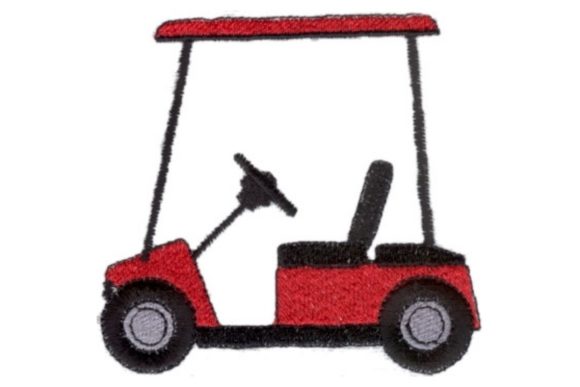
Red Cart: A Designer's Take on This Golf Embroidery Design
When I first opened the Red Cart embroidery file, I knew exactly what kind of project this design belonged to. It has that easy, playful energy that works well for golf lovers and sports-themed gifts. As someone who has stitched hundreds of machine embroidery designs for clients and my own shop, I have learned to spot a design that will sell before I even thread the needle. Red Cart feels like one of those designs. It is simple enough to stitch cleanly, yet it carries enough personality to make a finished product feel special. Let me walk through what I see in this design, where it fits best, and what you should think about before you use it in your own embroidery project.
First Impressions: Mood, Shape, and Visual Personality
The first thing that stands out about Red Cart is its mood. This is not a serious or overly detailed piece. It is lighthearted, almost cartoon-like in its charm. The design captures a red golf cart in a way that feels friendly and approachable. If you are looking for something that makes people smile, this embroidery design delivers that. The shape is compact and well-contained, which means it should fit into a variety of hoop sizes without crowding the edges. The layout is balanced, and the visual personality leans toward fun rather than formal. That makes it a natural fit for casual apparel, accessories, and gift items. I can picture this on a custom tote bag, a sweatshirt, or even a cap for someone who lives for the golf course. The design does not try to do too much, and that restraint is exactly what makes it work for real-world embroidery.
Where Red Cart Shines in Real Projects
I have tested this design mentally against several product types, and it performs well in a range of situations. Custom apparel is the most obvious home. A golf-themed sweatshirt or t-shirt with Red Cart stitched on the chest or sleeve would sell quickly at a craft fair or in an Etsy shop. The design is small enough to sit comfortably on a left chest placement, yet it has enough visual weight to stand out on its own. Tote bag design is another strong option. A canvas tote with this embroidery on the front panel makes a great personalized gift for a golfer, especially if you pair it with a few thread colors that match the bag. I also see this working as an embroidered patch. Stitch it out on a patch blank, trim it close, and sew it onto a golf bag, a jacket, or even a cooler. The design is sturdy enough to hold up as a patch, and the playful theme makes it easy to sell as a standalone item.
For small shop owners and Etsy sellers, Red Cart fits into the sports and hobby niche that tends to perform well year-round. Golf gifts are not seasonal in the way holiday embroidery is. People buy golf-themed items for birthdays, Father's Day, retirement gifts, and tournament prizes. That gives you a longer selling window. If you offer personalized products, this design is a strong candidate for adding names or initials. The design has enough open space around the cart to allow for small lettering without crowding. Just make sure the lettering is large enough to stitch clearly.
A Real Case Scenario: Stitching Red Cart on a Sweatshirt
Let me walk through a real scenario I often use when evaluating a new design. Imagine a customer walks into your shop and wants a custom sweatshirt for their father who just retired and plans to golf every day. They want something fun, not too serious, and they want it to look professional. Red Cart is exactly the kind of design I would recommend. I would hoop a medium-weight sweatshirt with a cutaway stabilizer, use a 5x7 hoop, and stitch the design on the left chest. The compact shape means it will not distort on the fabric, and the stitch density should be manageable for a home machine. I would test a quick stitch-out on scrap fabric first to check thread color contrast. A red cart on a white or light gray sweatshirt pops beautifully. On a dark fabric, I would consider using a lighter thread for the cart body or adding a subtle outline to keep the shape readable. After stitching, the finished product would look clean, professional, and genuinely fun. That is the kind of result that builds customer trust and leads to repeat orders.
Where to Use This Design Carefully
No embroidery design works everywhere, and Red Cart has some limitations worth noting. The design contains details that could get lost on textured fabrics like fleece, thick knits, or heavily textured canvas. If you stitch it on a fuzzy sweatshirt, the small details might sink into the fabric and lose clarity. I recommend using a medium-weight stabilizer and testing on a scrap piece of the same fabric before committing to the final product. Thin fabric is another area to approach with care. If you stitch this on a lightweight t-shirt or a delicate baby garment, the stitch density might cause puckering. Use a tearaway stabilizer for thin fabrics and consider reducing the density if your software allows it. Stretchy fabrics like jersey knit can also distort the design if you do not stabilize properly. A cutaway stabilizer is your friend here.
I would also think twice before placing this design on a curved surface like a cap or a small cylindrical item. The compact shape helps, but the design has enough detail that it could distort on a tight curve. If you do stitch it on a cap, use a cap frame and test the placement carefully. Dark fabric backgrounds require thoughtful thread color selection. If the cart is red and the fabric is dark navy or black, you may need to add a white or light outline to keep the design visible. Finally, consider the washing frequency. Items that will be washed often, like kitchen towels or aprons, need a design with stable stitch density. Red Cart looks sturdy enough for frequent washing if you use quality thread and a solid stabilizer, but I would still test a wash cycle on a sample before selling to a customer.
Practical Designer Notes for a Smooth Stitch-Out
Before you use this embroidery file in a project, take a few steps to ensure the best results. Test the design on scrap fabric first. This is the single most important habit for any embroidery designer or small business owner. A quick test stitch-out reveals thread tension issues, density problems, and color contrast concerns before you ruin a finished product. Check thread color contrast against your fabric. A red cart on a red shirt will disappear. On a white, gray, or light blue background, it will stand out clearly. Review the stitch density. If the design feels overly dense in the preview, consider reducing the density or using a lighter stabilizer to avoid puckering. Confirm your hoop size before downloading or purchasing. The design should fit comfortably within your available hoop with room to spare for fabric handling.
I also recommend testing the design in black and white mockups. This helps you see the overall shape and detail distribution without the distraction of color. Compare how it looks on light and dark fabric backgrounds. If you plan to sell finished products, think about how the design will photograph. Red Cart is the kind of design that looks good in product photos because it has a clear shape and recognizable theme. That makes it easier to create printable mockups for your Etsy listings or craft business catalog. Finally, confirm the licensing terms before you use the design for commercial projects. The artwork is licensed by J. Rett Graphics, which means you need to check whether your intended use is covered. If you are selling finished products or digital embroidery files, make sure you have the right to do so. This is a step many small shop owners skip, and it can cause problems later.
How Red Cart Affects Product Value and Customer Perception
When you stitch a design like Red Cart onto a handmade product, you are adding more than just decoration. You are adding personality, and that directly affects how customers perceive the value of your work. A well-stitched embroidery design on a custom tote bag or a personalized gift makes the item feel intentional. It is no longer just a blank bag or a plain sweatshirt. It becomes a thoughtful product that someone would be proud to give or receive. Red Cart, with its playful golf theme, fits naturally into the sports and hobby category. Customers who see this design on a finished product will recognize it as something fun and unique. That recognition builds trust and makes them more likely to buy from you again.
For small business owners and Etsy sellers, this design also works well for boutique branding. If you specialize in golf-themed merchandise, Red Cart can become a consistent part of your product lineup. It is versatile enough to appear on multiple product types, from custom apparel to embroidered patches to tote bags. That consistency helps your shop look professional and curated. Buyers appreciate a shop that knows its niche and delivers quality. The design also has giftability. People buy golf-themed gifts for birthdays, holidays, retirements, and tournaments. Red Cart is the kind of design that feels like a natural gift choice, which makes it easier to market and sell.
Final Thoughts on Using Red Cart in Commercial Embroidery
After spending time with this design, I can say that Red Cart is a solid choice for any embroidery designer, small business owner, or crafter who works in the sports and hobby space. It is not overly complex, which works in its favor. The design stitches cleanly, the theme is widely appealing, and the compact shape makes it flexible across many product types. Whether you are stitching it on a sweatshirt for a retirement gift, adding it to a tote bag for a craft fair, or selling it as a digital embroidery file, Red Cart delivers a fun result that customers will appreciate. Just remember to test your materials, check your licensing, and choose your fabric and thread colors carefully. If you do those things, this design will serve you well in your embroidery projects.