Horse Rider Beads Embroidery Review
As an embroidery designer who has spent countless weekends behind craft fair tables and even more hours digitizing files for small shop owners, I have learned to judge a design by more than just its thumbnail. When I first opened Horse Rider Beads Colorful Embroidery, I looked for the details that matter most to a maker: clarity at small sizes, thread contrast that pops on fabric, and a composition that feels both decorative and wearable. This design, listed under Freebies in the Graphics category, immediately caught my attention for its potential to draw eyes at a busy market booth. Let me walk you through what I see as a fellow craft fair seller and what you should test before you stitch it onto your next batch of handmade product.
First Impression: Bold, Playful, and Booth-Ready
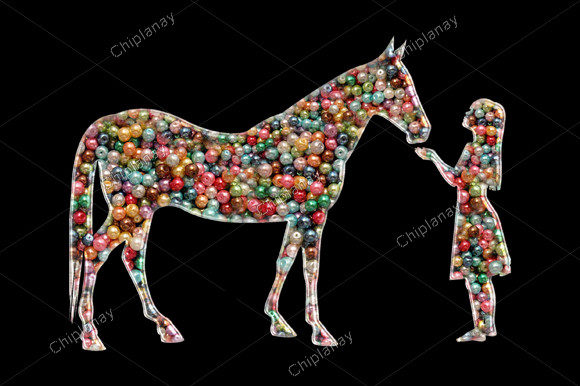
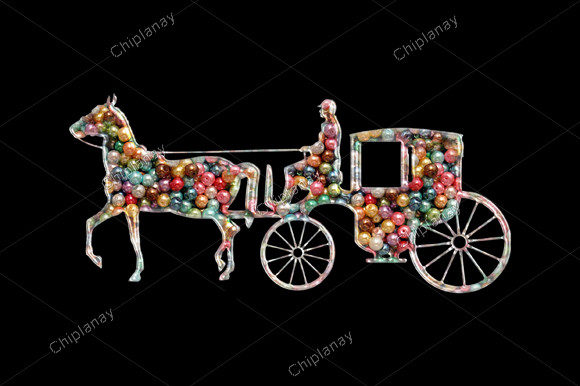
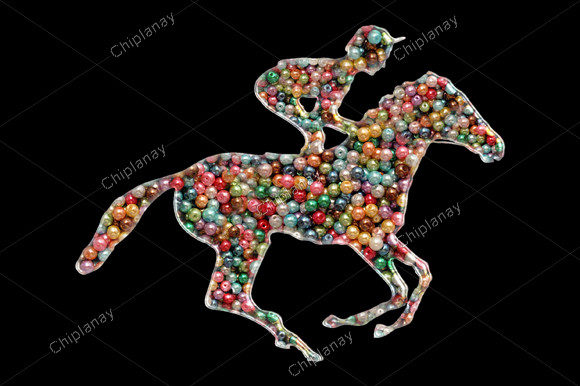
The title Horse Rider Beads Colorful Embroidery suggests a design with movement, color, and a handcrafted feel. From the product description, it is clear this illustration was originally created for T-shirts, sublimation, scrapbook layouts, and paper goods. That palette of possible uses tells me the artwork itself is likely vibrant, detailed, and visually engaging. For a craft fair product, those qualities are gold. Customers walking past a booth stop for color and recognizability. A horse rider motif appeals to animal lovers, equestrian enthusiasts, and anyone who appreciates a strong silhouette. The mention of beads hints at a decorative, almost festive quality—think scattered dots, stitched accents, or a textured look that mimics hand beading. This gives the design a premium, boutique feel rather than a flat, clip-art appearance. It feels neither rustic farmhouse nor strictly elegant; instead, it lands somewhere between modern folk art and playful equestrian decor. That versatility is a strong foundation for a product line.
How It Performs on Booth Favorites
When I prep for a craft fair, I always test a new machine embroidery design on at least five product types before committing to a bulk run. Here is how I see Horse Rider Beads Colorful Embroidery performing on the items that typically sell best at handmade markets.
Tote Bags and Market Bags
A tote bag is a staple for any booth. The flat surface allows the design to shine without distortion. Horse Rider Beads Colorful Embroidery would work well centered on a natural canvas tote or positioned high on the bag for visibility over a shoulder. The colorful bead accents will catch light and draw the eye, especially under booth lighting. I recommend hooping a medium-weight stabilizer and testing on a scrap bag first to confirm the stitch density does not pucker the fabric. If the beads are represented by dense satin stitches or small circular fills, they could stiffen the fabric slightly, which is fine for a structured tote but may feel heavy on a soft market bag.
Aprons and Kitchen Towels
Aprons are a favorite impulse buy at craft fairs, and Horse Rider Beads Colorful Embroidery would make a lovely chest or pocket design. The vertical orientation of a rider on a horse fits naturally on an apron bib. For tea towels, however, I urge caution. The fabric texture of a terry or linen towel can swallow fine details, especially if the bead elements are small. Use a water-soluble topper and a medium-weight cutaway stabilizer to keep the stitches crisp. Test the design on a towel sample before you commit to a dozen. If the beads are small dot-like stitches, they may disappear into the weave. Consider enlarging the design slightly to maintain clarity.
Caps and Patches
Caps are a high-margin item at any booth, but they require a design that reads well on a curved surface. Horse Rider Beads Colorful Embroidery may need to be scaled down to fit a cap front, and the rider silhouette should remain recognizable at a smaller size. If the design includes very fine lines or tiny bead details, they may blur during stitching on a cap. I recommend testing on a practice cap before offering it to customers. For patches, this design is a natural fit. An embroidered patch with a fabric border and a heat-seal backing can be produced in batches and sold as a quick add-on. Patches also allow you to showcase the full color range of the design without worrying about fabric contrast.
Pillow Covers and Fabric Pouches
Home decor items like pillow covers and small pouches benefit from a design that feels like art. Horse Rider Beads Colorful Embroidery would look striking on a throw pillow with a natural linen or cotton cover. The bead-like details add texture that invites touch, which is a huge advantage in a booth setting. Customers who pick up a pillow and feel the stitching are more likely to buy. For pouches, the design works best as a centered focal point on a zippered cosmetic bag or a glasses case. Keep the hoop size manageable—if the design is large, it may limit the types of pouches you can produce efficiently.
What Sells at the Booth: Visual Appeal and Customer Attention
In my experience, the products that sell best at a craft fair are the ones that stop a customer mid-stride. Horse Rider Beads Colorful Embroidery has the kind of visual energy that does exactly that. The horse rider motif is immediately recognizable, and the colorful bead accents suggest something special, something handmade. Customers associate beads with time, care, and artistry. Even if the beads are stitched representations rather than actual beads, the design communicates a level of detail that justifies a higher price point. I would price a tote bag with this design at a premium compared to a simpler monogram, and I would display it at eye level on a rack or draped over a booth shelf. The thread colors should be chosen to contrast with the base fabric. A dark navy or black fabric makes bright bead colors pop, while a white or cream fabric gives a softer, more vintage feel. Test both to see which resonates with your local market.
Practical Production Notes for Batch Runs
When you are producing for a craft fair, repeatability is everything. You need to know that the design will stitch out consistently across multiple units. Here are my production notes for Horse Rider Beads Colorful Embroidery.
- Test on scrap fabric first. Always. Use the same fabric you plan to sell. Check for stitch density issues, thread breaks, and fabric puckering. Run a full test before you cut a single tote.
- Check thread contrast. The bead accents need to stand out. If the design uses multiple colors, confirm that each color is visible against your chosen fabric. A dark thread on dark fabric will disappear. Light thread on light fabric will look washed out. Use a contrasting color palette for maximum impact.
- Review spacing and hoop size. Confirm the hoop size needed for the design. If it requires a large hoop, that may limit your ability to stitch on smaller items like caps or pouches. Consider offering the design in multiple sizes: a large version for tote bags and a scaled-down version for patches or caps.
- Inspect stitch density. Dense areas, especially around the bead details, can cause fabric stiffness. If the design feels too dense, you may need to reduce the density in your software or use a lighter stabilizer to keep the fabric soft. For commercial embroidery production, consistency is key. Every stitch should lay flat.
- Use the right stabilizer. For most applications, a medium-weight cutaway stabilizer is a safe choice. For towels or textured fabrics, add a water-soluble topper to prevent stitches from sinking into the weave. For caps, use a stiff tear-away or a combination stabilizer.
- Create at least one real mockup. A digital preview is not enough. Stitch out the design on your actual product fabric. Photograph it for your Etsy seller listings and for your booth display. A real mockup shows customers exactly what they are buying and builds trust.
- Confirm commercial licensing. Since this design is listed under Freebies and Graphics, verify that the license allows you to sell finished products. Some free graphics are for personal use only. Check the terms before you invest time and materials. If the license is unclear, contact the designer or use the design only for personal projects and booth samples.
Designer Notes: Where to Be Careful
No design is perfect out of the box. Here are the areas where I recommend extra attention before you stitch Horse Rider Beads Colorful Embroidery into your product line.
- Dense stitch areas: If the bead accents are represented by dense fill stitches, they may cause the fabric to pucker, especially on lightweight fabrics like T-shirt material or soft cotton. Test on a scrap piece first. If puckering occurs, reduce the stitch density or use a heavier stabilizer.
- Tiny details: Small letters, thin lines, or tiny bead dots may lose clarity at smaller sizes. If you plan to scale the design down for caps or patches, check that every element remains visible. If details disappear, consider simplifying the design or offering it only at larger sizes.
- Small lettering: The product description does not mention text, but if the design includes any lettering, test it carefully. Small letters can become unreadable after stitching, especially on textured fabric. If the lettering is very small, enlarge the design or remove the text.
- Thick fabric and textured towels: As mentioned earlier, thick fabrics and towels can swallow fine details. Use a topper, test thoroughly, and consider enlarging the design to compensate.
- Curved cap surfaces: Caps require a design that flexes with the curve. If the design is wide, it may distort on a cap front. Test on a practice cap before offering it to customers. A narrower design or a placement high on the cap front tends to work best.
- Dark fabric: If you stitch on dark fabric, ensure that the thread colors are bright enough to stand out. Dark fabric can mute even vibrant thread. Test with a white or light-colored underlay if needed, or choose a fabric that complements the design’s palette.
Building a Booth Display Around This Design
Once you have tested the design and confirmed it stitches well, think about how to present it at your craft fair booth. Horse Rider Beads Colorful Embroidery has a colorful, playful energy that works well as a focal point. I would create a small display with a tote bag, an apron, and a patch sample grouped together. Use a sign that highlights the handcrafted bead-like detail. Customers love knowing that a design is special, so mention the bead accents in your signage or when you talk to shoppers. The design also photographs beautifully for Etsy seller listings. A well-lit photo of the finished product on a neutral background will attract clicks. If you sell digital embroidery file versions, include a photo of the stitched sample and a listing of the thread colors you used. Buyers appreciate knowing exactly what to expect.
Final Thoughts on Production Viability
Horse Rider Beads Colorful Embroidery is a strong candidate for a craft fair product line, provided you take the time to test and adjust. The colorful bead accents give it a premium feel that can command a higher price, and the horse rider motif has broad appeal. The design works well on tote bags, aprons, patches, and pillow covers, but it requires careful testing on textured fabrics and curved surfaces. As with any new machine embroidery design, start with a single test stitch, then a small batch, and then scale up once you are confident in the results. Use the right stabilizer, check your stitch density, and always confirm your licensing. With the right preparation, this design can become a consistent seller at your booth and a favorite among your customers. Whether you are a seasoned Etsy seller or a weekend craft fair vendor, Horse Rider Beads Colorful Embroidery offers the kind of colorful, handcrafted appeal that turns browsers into buyers.