Baby Elephant: A Designer's Review for Small Business Merch
When I first opened the Baby Elephant embroidery file, I was looking for a design that could bridge the gap between playful charm and professional polish. As someone who regularly evaluates machine embroidery designs for commercial clients, I need every stitch to earn its place. This little elephant, described as an adorable embellishment for children's clothes, pajamas, room decor, and bedsheets, immediately struck me as a versatile candidate for small business merchandise. But a design that works on a child's pajama set does not automatically translate to a branded patch on a café apron or a boutique tote bag. Let me walk you through what I see when I review this embroidery file through the lens of a business owner, merch creator, or apparel decorator.
First Impression: Friendly, Playful, and Surprisingly Adaptable
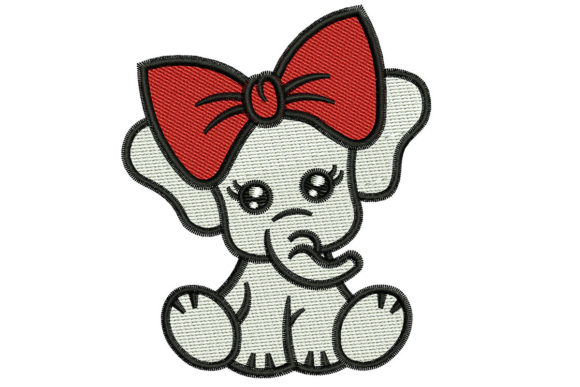
The Baby Elephant design carries a soft, friendly personality. It is not overly detailed or hyper-realistic, which is actually a strength for commercial embroidery. The silhouette reads clearly at a glance, and the expression feels warm without being cartoonish. For a small business that wants to project a welcoming, family-friendly image, this design offers an approachable visual anchor. It feels handmade in the best sense, as if it was drawn with care rather than generated by a machine. That handmade quality matters greatly for brands selling artisan goods, boutique products, or custom apparel where customers value authenticity.
When I first test a new embroidery file for business use, I ask myself: does this design elevate the product or distract from it? Baby Elephant leans toward the former. It does not scream for attention but instead invites a closer look. That is exactly the kind of quiet confidence that works well on staff uniforms, product packaging accents, and small batch merchandise.
Real Business Use: Where Baby Elephant Shines
Let me give you a concrete scenario. Imagine a small neighborhood café that also sells handmade children's books and organic baby gifts. The owner wants embroidered aprons for staff, a small patch for the canvas tote bags they sell at the register, and a subtle chest logo on their work shirts. The Baby Elephant design, with its gentle curves and clear outline, can adapt to all three applications without losing its identity.
On an apron, the design sits well as a center chest mark or a pocket detail. The stitch density is moderate enough that it does not pull or distort the fabric, even on lighter weight apron materials. For a tote bag, the design reads beautifully as a single-color embroidered patch or as a direct stitch onto the bag itself. The playful shape complements the casual, handcrafted feel of a canvas tote without overwhelming it. On a cap, I would recommend sizing the design down slightly and placing it on the front panel or as a side accent. The curve of the cap can distort a design that is too wide, but Baby Elephant's compact shape handles the curvature well when properly hooped and stabilized.
For Etsy sellers and handmade brands, this design is a strong candidate for creating a cohesive product line. You can stitch it onto pajamas, bibs, blankets, and room decor for a coordinated look that feels intentional rather than random. That visual consistency builds customer trust and recognition over time. When a buyer sees the same elephant on a onesie and a matching wall hanging, they perceive the brand as thoughtful and reliable.
Where to Use Baby Elephant with Care
No design is perfect for every surface, and Baby Elephant has some limitations worth noting before you commit to production. If you plan to stitch this design at a very small patch size, say under two inches, the detail in the face and ears may become muddled. The eyes and trunk curve need enough room to register clearly. I recommend testing the design at your target size on a scrap piece of fabric before stitching it onto a finished product. This is especially important for cap embroidery, where the design is often scaled down to fit the front panel.
Another consideration is fabric texture. On very thick or textured fabrics, such as heavy fleece, napped cotton, or some types of towel fabric, the finer details of the design can sink into the pile and lose definition. If you are stitching for a uniform that will be washed frequently, choose thread colors that contrast well with the garment and use a high-quality stabilizer to prevent the stitches from shifting. Dark uniforms, in particular, require careful thread color selection. A light gray or soft pastel elephant on a navy or black shirt can look lovely, but the contrast must be strong enough that the design reads from a distance. I always recommend testing the design in black and white first, regardless of the final thread colors, to confirm that the shape and spacing hold up without color distraction.
Stitch density is another factor I watch closely. If the design has areas where the stitches are packed too tightly, the fabric may pucker or the thread may break during production. If the density is too loose, the design may look unfinished or let the base fabric show through. Without knowing the exact stitch count for this file, I advise you to inspect the stitch map in your embroidery software before running a test sew. Look for any clusters of dense satin stitches that could cause trouble, especially on stretchy or lightweight fabrics. A proper hoop size and stabilizer combination will solve most of these issues, but it is better to catch them in the planning stage than after a batch of finished products.
Brand Identity and Customer Trust
Using a well-chosen embroidery design like Baby Elephant on your merchandise does more than decorate a product. It communicates a standard of care. When a customer receives a tote bag or a staff apron with a clean, well-stitched embroidered patch, they infer that the business pays attention to details. That inference extends to the products they sell and the service they provide. For a small business, every touchpoint matters, and the quality of your embroidered merchandise is a visible signal of your brand's values.
Baby Elephant fits particularly well into brands that want to emphasize warmth, childhood, nature, or handmade craftsmanship. A florist shop that uses this design on their delivery bags and aprons creates a subtle connection to the idea of new life and gentle care. A pet boutique that sells elephant-themed toys and accessories can use the same design to tie their product line together. A bakery that specializes in children's birthday cakes could stitch the elephant onto their staff hats and order aprons, creating a memorable visual identity that parents recognize and trust.
When you use the same design across multiple product types, you build visual consistency. That consistency helps your brand become more recognizable, even on a crowded Etsy page or a busy market table. Customers who see the elephant on a patch at one event and later see it on a hat at another will remember your brand. That recognition is gold for a small business owner.
Practical Embroidery Designer Notes
Before you run this design on a commercial project, I recommend a short checklist. First, test the design in black and white thread to see how the shape reads without color cues. This will reveal any spacing issues or unclear areas. Second, confirm the hoop size required for the design. If you are using a small hoop, make sure the design fits comfortably without crowding the edges. Third, select thread colors that reflect your brand's palette. The default thread colors in the file are a starting point, not a final decision. Change them to match your brand identity. Fourth, create a printable mockup of the design on your product photos before you stitch anything. This helps clients visualize the finished product and reduces the chance of rework.
I also recommend checking the commercial licensing terms for this embroidery file before you use it on merchandise for sale. Some digital embroidery files come with restrictions on the number of items you can produce or the types of products you can sell. Confirm that your intended use, whether it is staff uniforms, retail products, or customer gifts, is covered by the license. If in doubt, contact the designer or distributor for clarification.
Finally, test the design on the actual fabric you plan to use for your finished product. A design that looks perfect on a cotton test swatch may behave differently on a polyester blend or a textured canvas. Use the appropriate stabilizer for your fabric weight, and adjust the tension if needed. A small test run will save you time, thread, and frustration later.
Final Thoughts for Small Business Owners and Merch Creators
Baby Elephant is a thoughtfully designed machine embroidery file that offers real value for small business merchandise, branded patches, and custom apparel. Its friendly but professional appearance makes it suitable for a wide range of applications, from staff uniforms to retail products. With proper testing and attention to sizing, fabric choice, and thread contrast, this design can become a signature element of your brand identity. Whether you are stitching it onto aprons for a café, patches for a boutique, or caps for a creative studio, the Baby Elephant carries a warm, handmade charm that customers will notice and remember. Take the time to test it properly, align it with your brand colors, and confirm your licensing, and you will have a design asset that earns its place in your product lineup.