Acorn Earrings and Pendant: A Design Review for Merch
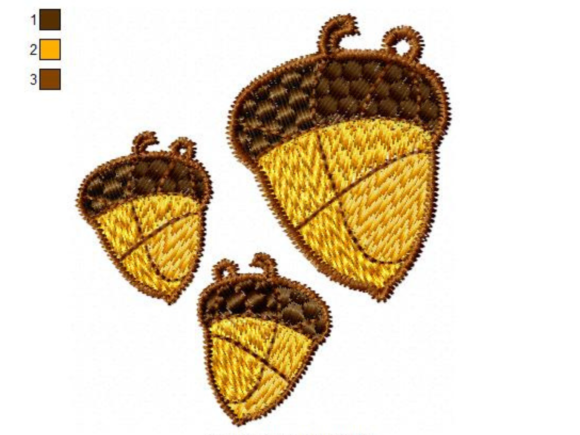
As an embroidery designer, I review hundreds of digital embroidery files every year. Most are destined for a single project and then forgotten. But when I came across the Acorn Earrings and Pendant set, I saw something with far more potential. This machine embroidery design, categorized under Forest, isn't just for creating lace jewelry. It is a versatile asset waiting to be adapted for small business merch, embroidered patches, and cohesive brand identity. Let me walk you through how this Free Standing Lace (FSL) design performs when you push it beyond its original intent.
First Impressions: Rustic Charm Meets Delicate Craft
The Acorn Earrings and Pendant immediately strikes a balance between rustic symbolism and delicate execution. The acorn is a universally recognized symbol of growth, nature, and quiet strength. For a small business, this translates to a brand that values authenticity, sustainability, and a connection to the earth. The initial visual personality is warm, organic, and undeniably handmade.
However, because it is designed as Free Standing Lace, the default structure is open, airy, and intricate. This is beautiful for a pendant, but for a branded patch or an apron embroidery, it requires a strategic rethink. The "Forest" aesthetic is strong here, evoking images of deep moss greens, rich bark browns, and golden autumn highlights. This is not a corporate logo. It is a friendly, premium motif that tells a story. For a boutique, a coffee shop, or a florist, that story is gold.
Unlocking Business Value: From Earring to Embroidered Patch
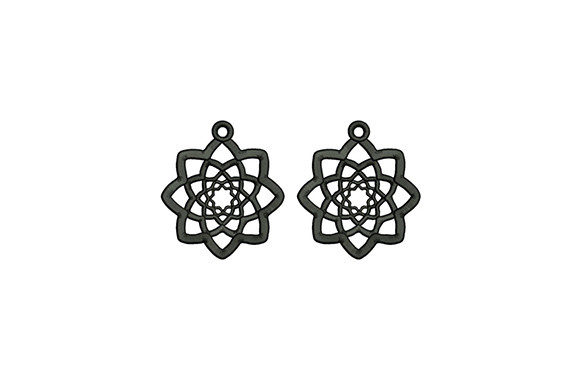
How does a digital embroidery file designed for earrings become a cornerstone of your custom apparel lineup? The answer lies in how you adapt the design asset. The Acorn Earrings and Pendant set includes left and right earrings and a pendant, giving you three distinct layouts to work with. Here is how they translate into real business value:
- Embroidered Patches: The acorn silhouette is iconic. With the right digitizing—adding a dense underlay and a sturdy satin border—this makes a stunning patch for work shirts, aprons, or jackets.
- Apron Embroidery: A small, solid-stitched acorn on the chest pocket of an apron is a subtle yet powerful branding tool for a bakery or florist.
- Cap Embroidery: A clean, simplified version of the acorn on the front panel of a cap creates a premium, outdoorsy look.
- Tote Bag Design: This is where the design shines. A large, well-placed acorn on a canvas tote screams "handmade product" and elevates the entire bag into a branded merchandise piece.
The key is to treat this digital embroidery file not as a finished product, but as a flexible design asset for your commercial embroidery projects.
Where It Works Best: Real Case Scenarios for Small Business
Let me paint a picture for you. I recently consulted for a local bakery called "The Rustic Crumb." They wanted merchandise that felt warm and inviting. Their colors were warm brown and cream. The Acorn Earrings and Pendant design was a perfect match for their brand identity.
- Staff Uniforms: We placed the acorn on the left chest of their aprons using a single, solid brown thread. It looked professional and cohesive without being loud.
- Retail Tote Bags: For their tote bag design, we used a larger version of the acorn motif. It became their best-selling branded item. Customers loved the "forest" feel.
- Product Labels: While not direct embroidery, the design assets inspired a printable mockup for their packaging, creating visual consistency across all touchpoints.
This design works for bookstores, plant shops, pet brands, handmade soap makers, and any business that wants to project a nature-focused, quality-driven identity. It resonates with buyers who value craftsmanship and the story behind a handmade product.
Navigating the Challenges: Stitch Density and Fabric Texture
No design review is complete without a dose of reality. The Acorn Earrings and Pendant is an FSL design. This means it has high stitch density and open spaces to create the lace effect. For commercial embroidery on apparel, this presents specific challenges that must be addressed:
- Small Patch Size: Acorns have a narrow stem and bottom tip. If you scale the design down for a cap front, the bottom can become a single, fragile stitch that breaks easily. You must test for structural integrity at the target size.
- High Stitch Density: FSL density can be too heavy for soft fabrics like lightweight t-shirts or pique polos. It can cause puckering and distortion. You will likely need to adjust the density or use a stronger stabilizer.
- Fabric Texture: On textured fabrics like twill or linen, the delicate details of the acorn might be lost in the weave. A denser underlay and slightly thicker thread paths are required to maintain clarity.
- Washing and Wear: For items that are washed frequently—aprons, totes, uniforms—the FSL structure is too fragile. The embroidery file must be reinforced with a solid tatami or satin fill and a strong, clear outline.
Practical Production Notes for the Embroidery Shop
Before you produce this for a client, here is my professional checklist. These steps separate a mediocre finished product from a premium one:
- Test in Black and White: Always stitch the design on a sample fabric using cheap black thread. This shows you the true density, spacing, and structure without the distraction of color.
- Check Thread Color Contrast: If your client has dark uniforms (navy, black), use a light green or gold thread. If they have light uniforms (cream, white), use a deep forest green or bark brown. Contrast is critical for readability.
- Confirm Hoop Size: The earrings and pendant are small items. Check the exact dimensions of the digital file. A 4x4 hoop is likely sufficient for the earrings, but the pendant may require a larger hoop.
- Select the Right Stabilizer: For a patch, use a heavy cut-away stabilizer and a water-soluble topping. For direct-to-apparel embroidery, use a medium cut-away to stabilize the fabric.
- Create a Printable Mockup: Use the design assets to create a mockup on a photo of their apparel. This builds client trust and helps them visualize the final product before you stitch a single thread.
- Confirm Commercial Licensing: The original description notes that this is a machine embroidery design. You must verify the commercial license terms. Most designers allow you to sell the finished product, but you must respect the terms of use for the digital file.
The Verdict: Brand Identity and Customer Trust
The Acorn Earrings and Pendant is more than a jewelry design. It is a versatile brand identity tool for small businesses in the "Forest" and nature-oriented space. When adapted correctly, it adds a layer of professionalism and handmade charm that customers actively seek out.
- Professionalism: A well-executed embroidered acorn on a staff uniform signals that a business is serious about quality and detail.
- Visual Consistency: Using this motif across caps, aprons, and totes creates a strong, memorable visual anchor. Customers will remember the acorn.
- Customer Trust: High-quality custom apparel and embroidered patches increase the perceived value of a business's products. It creates a halo effect that makes customers trust the brand more.
- Buyer Engagement: A unique, thoughtful design like this encourages customers to become brand ambassadors. They wear the patch or carry the tote because it represents a lifestyle they love.
The Acorn Earrings and Pendant machine embroidery design is a strong investment for a small business looking to build a cohesive, nature-inspired brand. But remember, the success lies in the execution. As an embroidery designer, your job is to adapt this FSL design into a durable, professional, and beautiful finished product. Do the prep work, test the files, and watch your clients fall in love with their new brand identity.